
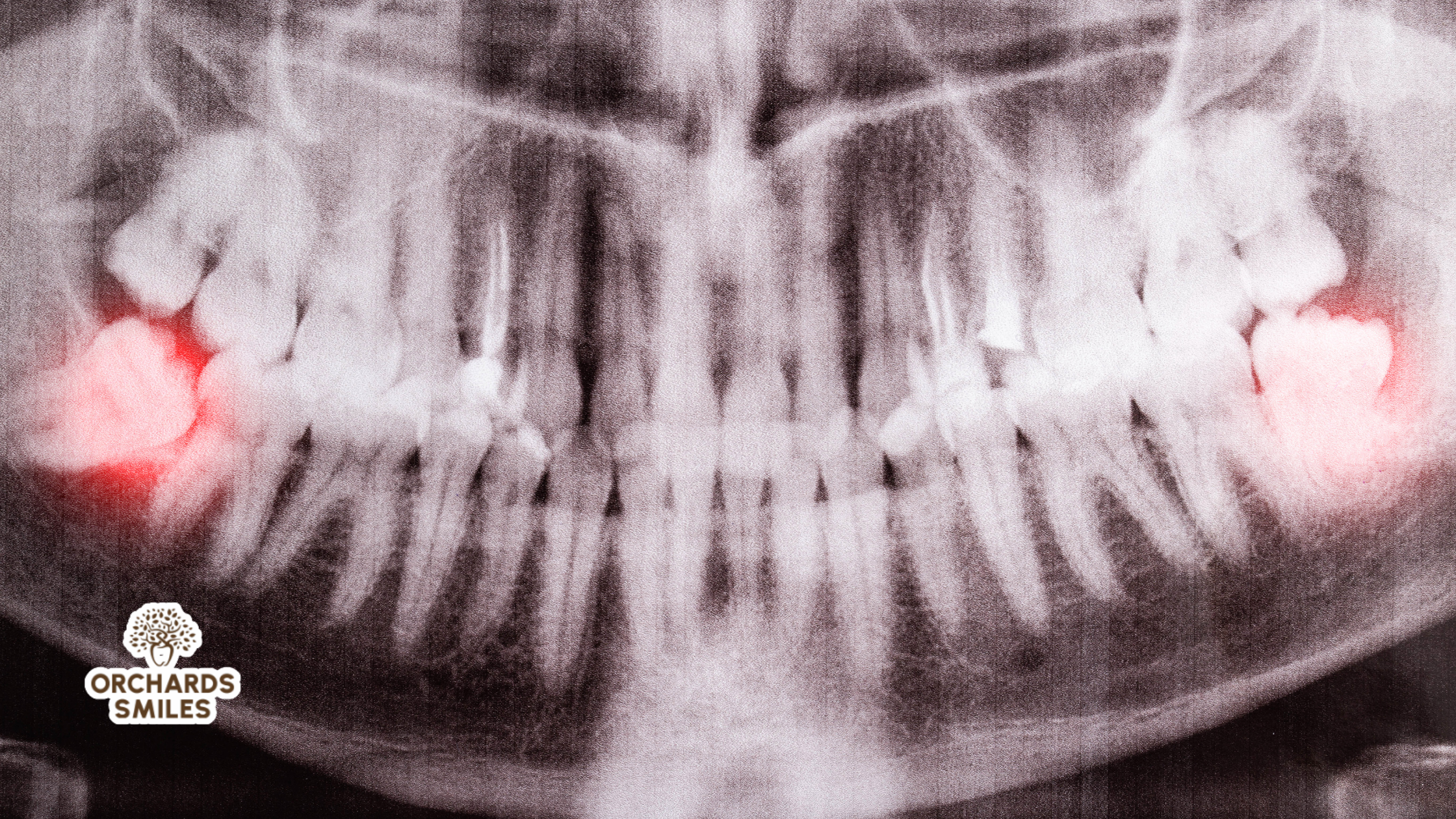
Many people are unsure whether their wisdom teeth actually need to be removed. Understanding when your wisdom teeth may require extraction is imperative for maintaining your dental health.
Factors such as impaction, overcrowding, and potential infection play significant roles in this decision. In this post, you will learn how to assess the condition of your wisdom teeth and determine whether you need to take action to prevent further complications.
Your oral health is vital, and being informed about your wisdom teeth is the first step in ensuring a healthy smile.
Key Takeaways:
- Impacted wisdom teeth may lead to pain, infection, or damage to other teeth.
- Regular dental visits help determine whether removal is necessary.
- Maintaining good oral hygiene can reduce the risk of extraction.
The Hidden Dangers of Impacted Wisdom Teeth
Impacted wisdom teeth can pose several hidden dangers, making routine evaluations crucial. As these teeth emerge, they might become trapped beneath the gums or against adjacent teeth, leading to infections, cysts, or even damage to neighboring roots.
“The pressure from impacted wisdom teeth can also create pockets in the gums where bacteria flourish, setting the stage for serious conditions like abscesses or bone loss down the line.” — Dr. Manjot Dhaliwal, Dentist in Edmonton, AB
Inflammation caused by impacted teeth can increase bacterial growth, worsening oral health problems. Ignoring these indicators could lead to severe complications that timely intervention could have prevented.
Recognizing Symptoms of Impaction
Identifying symptoms of impacted wisdom teeth is vital for preventing further oral health deterioration. Common signs include swelling, jaw or gum pain, difficulty opening your mouth, and bad breath from trapped food.
You may also experience a continuous ache that radiates throughout your jaw or headaches. If any of these symptoms persist, it’s crucial to consult your dentist for a thorough examination.
“Persistent jaw pain or recurring headaches might seem unrelated, but they can be your body’s way of signaling issues with impacted wisdom teeth that need immediate attention.” — Dr. Manjot Dhaliwal, Dentist in Edmonton, AB
The Long-Term Effects on Oral Health
Long-term impacts from impacted wisdom teeth can include persistent pain, misalignment of your other teeth, and heightened risk of periodontal disease. Complications like crowding, often identified by your dentist or orthodontist, can shift previously straight teeth and lead to the need for braces.
Additionally, untreated impaction can increase your susceptibility to cavities, as food becomes trapped in hard-to-reach areas. By proactively addressing impaction, you safeguard your oral health and avoid costly and painful procedures down the line.
“Ignoring food traps around impacted wisdom teeth allows decay to spread, increasing the likelihood of damage to neighboring molars and requiring more complex treatments later on.” — Dr. Manjot Dhaliwal, Dentist in Edmonton, AB
Over time, the continuous pressure from impacted wisdom teeth can destabilize your dental alignment, causing teeth to shift and leading to uneven wear. This misalignment may necessitate orthodontic treatments such as braces or veneers, resulting in additional expenses and treatment time.
Furthermore, recurrent infections linked with impactions can lead to gum disease, which, if untreated, poses a risk to your overall health, potentially affecting your heart and contributing to systemic ailments. Addressing impacted wisdom teeth early is not just about immediate relief; it’s about mitigating long-term health complications that require more substantial intervention later on.
Risk Factors That Elevate the Need for Extraction
Several risk factors can increase the likelihood that your wisdom teeth will need to be removed. These factors can lead to complications, either during their eruption or afterwards.
Be aware of the following indicators:
- History of dental issues like cavities or gum disease
- Oral hygiene practices that may not adequately prevent infection
- Presence of overlapping teeth or dental crowding
- Age, as younger patients may have a higher success rate with surgery
After assessing these risk factors, consulting a dental professional can help determine if extraction is the best path forward. In Canada, your dentist may also consider your provincial coverage or private insurance plan when evaluating timing for extraction.
Genetic Predispositions and Jaw Size
Your genetic background can significantly influence the development and positioning of your teeth. If your family has a history of impacted wisdom teeth, this might indicate a similar risk for you.
Jaw size also plays a critical role; a smaller jaw often lacks sufficient space for wisdom teeth to erupt correctly.
Signs of Gum Disease and Bone Loss
Observing signs of gum disease or bone loss can indicate that your wisdom teeth may be problematic. Symptoms such as swollen gums, persistent bad breath, or sudden sensitivity can be early warnings.
These signs may indicate that your wisdom teeth are placing pressure on neighboring teeth but also suggest an ongoing battle with infection. Gum disease can lead to bone loss around the affected teeth due to inflammation and bacteria.
If your wisdom teeth are impacted or partially erupted, they can trap food and bacteria, worsening the gum condition. Regular dental visits can help catch these signs early, allowing potential extraction or treatment options before complications arise.
Why Early Wisdom Tooth Removal Often Leads to Better Outcomes
Wisdom tooth removal is often recommended in the late teens to early twenties. At this age, the roots are not fully developed, making the procedure simpler and recovery faster.
Delaying removal can lead to increased pain, infection risk, and complications due to more developed tooth roots.
The Role of Regular Dental Check-Ups
Frequent dental check-ups are instrumental in assessing the status of your wisdom teeth. Your dentist can monitor their development, identify potential issues early, and recommend treatment before complications arise.
Catching problems before they escalate helps mitigate pain and suffering, ensuring that any necessary interventions are less complex.
Dentists typically recommend visiting at least twice a year for routine exams and cleanings, where they can take X-rays to evaluate the positioning of your wisdom teeth. If your wisdom teeth are showing signs of impaction or crowding, your dentist might suggest earlier removal.
For instance, an X-ray that reveals your teeth angled towards other molars indicates that you should consider extraction sooner rather than later. Keeping up with regular dental visits not only helps you stay informed but can also prevent more severe issues down the road.
Alternatives to Extraction: When Removal Isn’t Necessary
Not every case of wisdom teeth warrants extraction. In some instances, dental professionals may suggest alternative approaches, particularly if the teeth are healthy, fully erupted, and positioned correctly. By monitoring the situation, you can avoid unnecessary surgery while maintaining oral health through regular check-ups.
Non-invasive approaches such as regular cleanings and diagnostic X-rays can help detect any changes, ensuring timely intervention if complications arise.
Monitoring and Non-Invasive Solutions
Regular check-ups provide an opportunity to monitor your wisdom teeth and the overall health of your mouth. If your wisdom teeth are not causing any symptoms or issues, your dentist may suggest conservative measures like practicing good oral hygiene and scheduling X-rays to track any changes in tooth position or health.
The Impact of Lifestyle Choices on Oral Health
Your lifestyle choices significantly influence your oral health, particularly regarding wisdom teeth. Diet, smoking, and oral hygiene practices play a pivotal role in determining if extraction becomes necessary.
By adopting healthier habits, like reducing sugar intake and quitting smoking, you can potentially lessen dental issues associated with wisdom teeth.
Research shows that individuals who maintain a balanced diet low in sugars and high in fiber have a reduced risk of tooth decay and gum disease, which can alleviate pressure on surrounding teeth. Regularly flossing and brushing your teeth helps keep your gums healthy, reducing the likelihood of complications with your wisdom teeth.
Consequently, taking preventive measures can prolong the time you keep your wisdom teeth and possibly eliminate the need for extraction altogether.
In Canada, public health campaigns often emphasize quitting smoking and reducing sugar intake as part of preventive dental care.
Expert Opinions: Dentists Weigh In
Dentists often emphasize the importance of personalized assessments when deciding whether wisdom teeth should be removed. Experts assert that age, dental health, and panoramic imaging are key factors in your decision-making process.
Regular check-ups can help identify issues early, allowing your dentist to recommend appropriate measures tailored specifically to your unique situation.
When Specialists Recommend Removal
Specialists commonly recommend the removal of wisdom teeth if they show signs of decay or infection or if they are significantly impacted. Such complications can lead to serious health issues if they are left unaddressed.
For example, if teeth are growing at an angle or pressing against adjacent teeth, removal may be necessary to preserve your overall oral health.
The Debate Over Preventive Extraction
The practice of having healthy wisdom teeth removed as a preventive measure has garnered mixed opinions among dental professionals. While some argue that early removal can prevent future complications such as overcrowding or infection, others advocate for a more conservative approach, advising patients to monitor their wisdom teeth rather than opting for extraction without clear indications.
Many dental professionals suggest a balanced view on preventive extraction, noting that while some patients may benefit from early removal, others may never experience issues with their wisdom teeth. Research shows that a large percentage of people in their 20s develop impacted wisdom teeth, though only a minority experience complications.
Taking both personal health history and dental development into account, experts frequently recommend tailoring the approach for each individual and ensuring that unnecessary procedures are minimized without compromising future oral health.
Conclusion
Ultimately, evaluating your unique dental situation with a professional is key to making the right decision about wisdom teeth removal.
Regular check-ups allow your dental professional to monitor your wisdom teeth and advise you on the best course of action to maintain your oral health. Stay informed and proactive about your dental care for optimal results.
Don’t Wait Until It Hurts — Get Expert Advice on Your Wisdom Teeth
If you’re unsure whether your wisdom teeth need to come out, the best first step is a professional evaluation. At Orchard Smiles Dental in Edmonton, our experienced team can assess your situation with precision and help you avoid potential complications down the road.
Visit us at 664325 Ave SW, Edmonton, AB, or
Book your consultation today — your future smile will thank you!
Reviewed by: Dr. Manjot Dhaliwal