
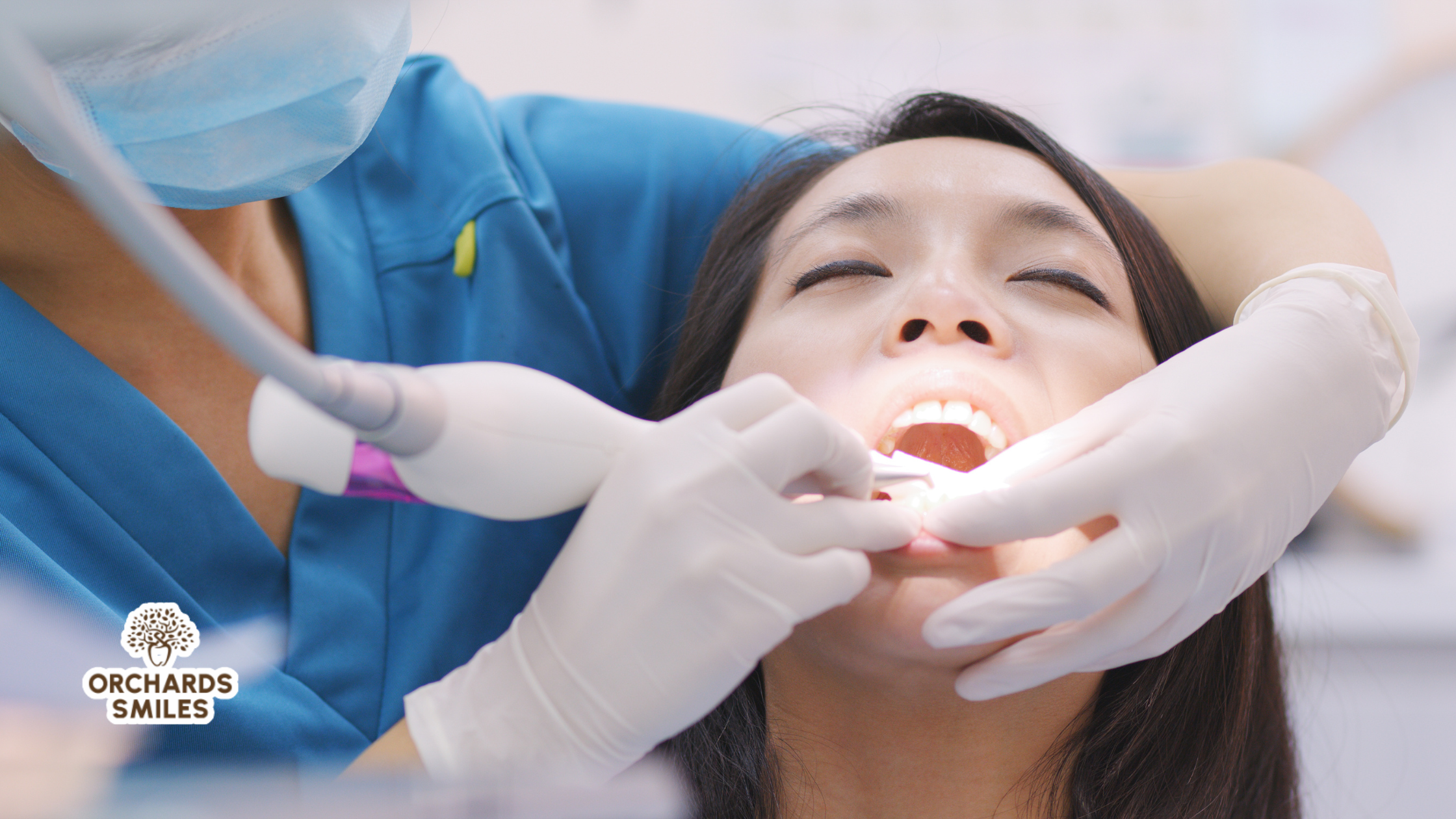
Planning for your root planing appointment involves understanding what the procedure entails and how it benefits your oral health. During this session, your dentist will focus on removing plaque and hardened deposits (calculus) from below your gum line and smoothing the root surfaces to help your gums reattach and reduce inflammation.
You can expect a thorough examination, localized anesthesia for comfort, and personalized care to address any concerns. Knowing what to anticipate can help ease any anxiety you may have and ensure you leave your appointment with a clearer understanding of your dental health journey.
Key Takeaways:
- Root planing removes plaque and calculus from below the gum line to improve gum health.
- Local anaesthetic and pain relief options make the procedure comfortable.
- Good aftercare and hygiene support healing and help prevent future issues.
The Purpose of Root Planing: Why It’s Essential for Oral Health
Root planing serves as an imperative treatment for removing plaque and tartar buildup from the roots of your teeth, particularly in the areas beneath the gum line. This deep cleaning process smooths the root surfaces, making it harder for bacteria to cling on and reducing the risk of further periodontal disease.
“Think of root planing like resetting your gums—it creates a clean, smooth foundation that encourages healing and helps ward off future bacterial build-up. Your gums can’t thrive without this essential first step.” – Dr. Manjot Dhaliwal, Dentist in Edmonton, AB
Improved gum health not only leads to fresher breath and a more aesthetically pleasing smile, but it also opens pathways to better overall health. After undergoing root planing, regular periodontal maintenance visits help maintain healthy gums and teeth.
The Link Between Gum Disease and Overall Health
Your oral health is interconnected with your overall health, particularly in relation to gum disease. Research has shown that untreated gum disease can contribute to systemic issues such as heart disease, diabetes, and respiratory problems.
Inflammation caused by periodontal disease may lead to increased inflammation elsewhere in the body, making it vital for you to maintain healthy gums to protect your holistic well-being.
“Oral inflammation doesn’t stay contained in your mouth—when left unchecked, it can spark a cascade of health conditions that affect your entire body. Treating gum disease is as much about protecting your overall health as it is about your smile.” – Dr. Manjot Dhaliwal, Dentist in Edmonton, AB
Preventive Benefits of Root Planing
Engaging in root planing not only addresses existing gum issues but also serves as a preventive measure against future dental problems. By eliminating plaque and tartar, you reduce the likelihood of developing advanced gum disease, which can lead to tooth loss and expensive treatments down the road.
Following initial root planing, scheduled maintenance visits help preserve a stable foundation for your teeth, ensuring you continue to enjoy a healthy smile.
Prioritizing root planing as part of your oral health routine can significantly impact your long-term dental outcomes. Studies suggest that patients who undergo timely periodontal care experience fewer deep pockets and long-term complications.
By investing in this preventive measure, you’re not just treating symptoms but actively working to create an environment where your gums can heal and remain healthy, ultimately saving you time and money on more invasive treatments later.
Initial Assessment and Patient Preparation
Your appointment begins with a comprehensive evaluation of your oral health. The dentist will conduct a visual inspection and may use X-rays to identify the extent of gum disease.
Discussing your medical history, including any medications, is essential to customize your treatment plan.
The Root Planing Procedure Explained
The root planing procedure is systematic and thorough. It often begins with local anesthesia to ensure your comfort. Your dentist uses specialized tools to remove plaque and tartar from the surfaces of your teeth and the areas beneath the gums.
Following this, they will smooth the root surfaces, which encourages gum tissue to reattach and heal properly.
The dentist’s choice of instruments—hand scalers or ultrasonic devices—may depend on the severity of the buildup. After scaling, your gums will be examined, and if necessary, they might apply antimicrobial agents to enhance healing.
Patients typically experience minimal discomfort, and the result is reduced gum inflammation and improved periodontal health, leading to better long-term outcomes for your smile.
Pain Management Strategies: Ensuring Comfort Throughout the Appointment
During your root planing appointment, managing discomfort is a priority for practitioners. Various pain management strategies are available to ensure you remain comfortable while receiving necessary treatment.
Understanding these techniques can help alleviate any anxiety you may experience about the procedure.
Local Anesthetics and Sedation Options
Your dentist may use local anesthetics to numb the areas being treated, minimizing any sensation of pain or discomfort during the procedure. In some cases, oral sedatives or nitrous oxide (commonly known as laughing gas) may also be offered to help you relax and remain calm throughout your appointment.
These options allow you to tailor the experience according to your comfort level and anxiety about treatment.
Post-Procedure Pain Relief Techniques
After your root planing, it is common to experience some discomfort or sensitivity. To help manage this, your dentist may recommend over-the-counter pain relievers such as ibuprofen or acetaminophen.
Applying a cold compress to the affected area can also alleviate swelling and reduce discomfort. Staying hydrated and avoiding very hot, cold, or spicy foods for the first few days can further aid in your recovery.
In addition to medication, practicing good oral hygiene post-procedure is necessary to maintain comfort and promote healing. Rinsing with warm saltwater (½ teaspoon of salt in 1 cup of warm water) can help reduce irritation and inflammation.
It’s wise to follow your dentist’s specific instructions and schedule any necessary follow-up appointments to ensure optimal recovery and continued dental health. Taking these measures not only aids in immediate relief but also contributes to the success of the treatment long-term.
Recovery and Aftercare: What to Expect Post-Treatment
Following your root planing appointment, some sensitivity and minor discomfort are typical. Your gums may feel sore, and you might notice slight swelling for a few days. Generally, this discomfort is manageable and should subside within a week.
“Any soreness post-root planing typically fades within a few days, but the relief of addressing gum disease lasts far longer. Follow your aftercare instructions carefully to ensure smooth healing and lasting results.” – Dr. Manjot Dhaliwal, Dentist in Edmonton, AB
Maintain communication with your dentist, especially if you experience prolonged pain or if the sensitivity worsens.
Long-Term Oral Hygiene Recommendations
Maintaining the results of your root planing treatment requires a consistent and thorough oral care routine. Brush your teeth twice daily using fluoride toothpaste, floss every day, and continue attending regular dental check-ups and periodontal maintenance appointments—typically every 3 to 4 months at first.
To further protect your gums, consider using an antibacterial mouthwash to help reduce plaque and inflammation. Switching to an electric toothbrush may also improve your brushing effectiveness, as research shows they tend to remove more plaque than manual brushes.
Pay extra attention to areas where deep pockets were treated, ensuring these zones are cleaned carefully.
For added support, tools like interdental brushes or water flossers can help clean hard-to-reach spaces between teeth. Staying diligent with your oral hygiene will protect your gums and reduce the risk of future dental procedures.
Debunking Myths: Common Misconceptions About Root Planing
Several common misconceptions surround root planing, often leading to unnecessary anxiety or confusion about the procedure. Understanding these myths can help you approach your appointment with confidence and clarity.
Misunderstandings About Pain and Discomfort
Many people fear that root planing will be a painful experience, but this perception is often exaggerated. Most dental professionals use localized anesthesia to minimize discomfort during the procedure.
Afterward, you might experience slight sensitivity, but the pain typically resolves quickly.
The Truth About Frequency and Necessity
Some patients believe that root planing is an occasional procedure that isn’t seriously necessary for maintaining oral health. In truth, the frequency depends on individual factors such as your oral hygiene practices, genetics, and existing gum disease.
Regular check-ups and cleanings can determine if root planing is warranted, helping to prevent further deterioration of gum tissue. Patients with active periodontal disease may require localized re-treatment of certain areas if pockets persist, but full root planing is typically not repeated frequently.
Consulting with your dentist ensures you receive tailored recommendations that are best for your oral health.
To wrap up
Drawing together what you can expect from a root planing appointment, you will undergo a thorough cleaning and smoothing of your tooth roots, which helps improve your overall gum health. The appointment typically involves local anesthesia for your comfort.
Your dentist will use specialized tools to remove plaque and tartar buildup beneath your gums. Post-treatment, you may experience some sensitivity and are advised to follow a care regimen to aid in recovery.
Being informed helps you feel more confident and prepared for this important dental procedure.
Take the Next Step Toward a Healthier Smile
If you’re noticing signs of gum disease or your dentist has recommended root planing, don’t wait to take action. At Orchard Smiles Dental in Edmonton, our team is here to guide you through every step of the process with expert care.
Visit us at 6643 25 Ave SW, Edmonton, AB, or contact us today to book your appointment and restore your gum health with confidence.
Reviewed by: Dr. Manjot Dhaliwal