
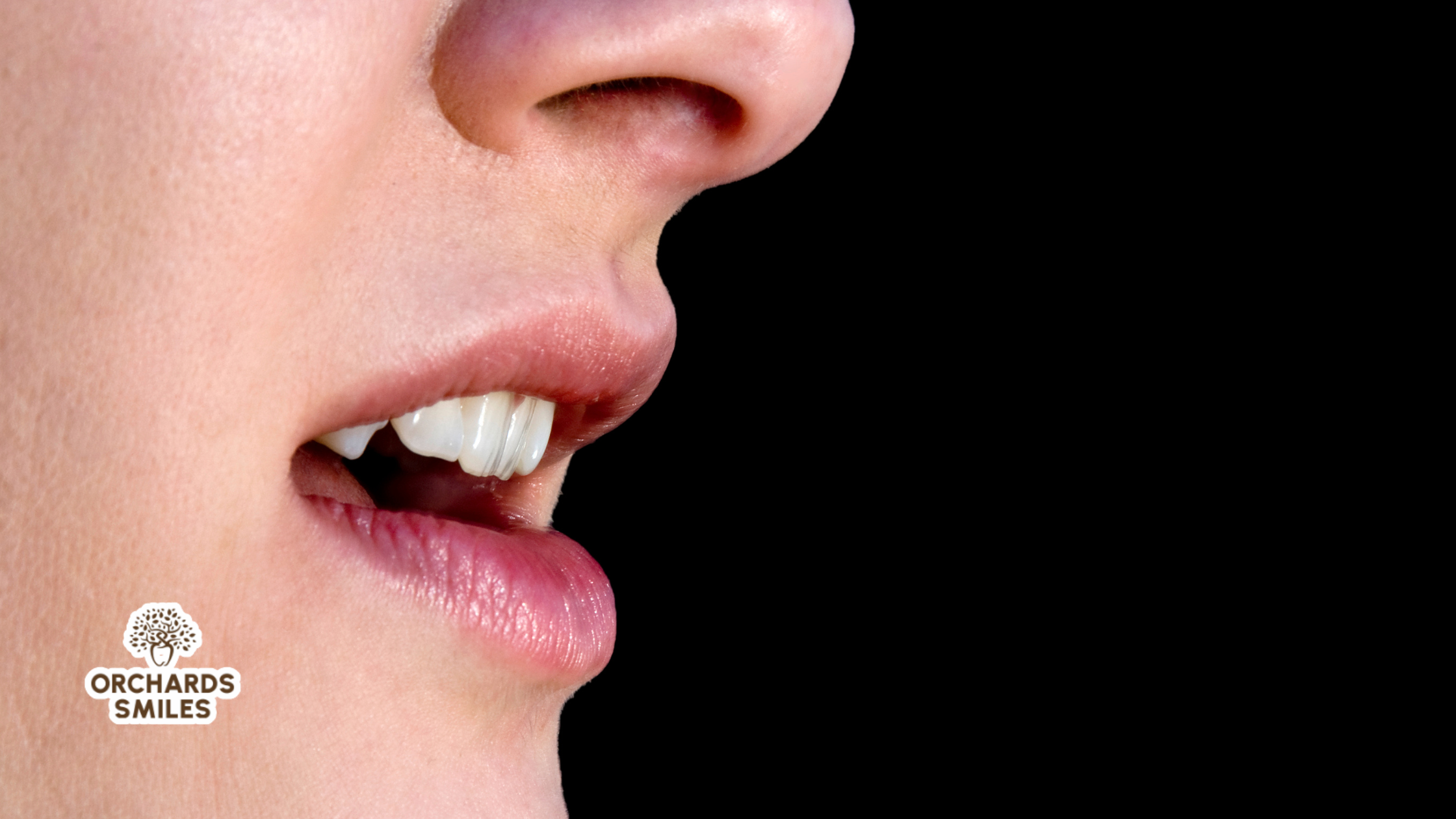
There is a well-established connection between chronic mouth breathing and an increased risk of tooth decay. When you breathe through your mouth, your oral environment changes, leading to dry mouth and reduced saliva production, both of which can contribute to increased cavity risk.
In this post, we’ll explore how mouth breathing affects your dental health and what steps you can take to mitigate its impact on your teeth.
Key Takeaways:
- Mouth breathing reduces saliva flow, promoting a dry, acidic oral environment that increases the risk of tooth decay.
- Nasal breathing supports saliva production and maintains a balanced oral microbiome to protect teeth and gums.
- Dental professionals can help identify mouth-breathing issues and guide treatments to improve oral health.
The Physiological Impact of Mouth Breathing
Mouth breathing may bypass the natural filtration and humidification processes of nasal breathing, potentially contributing to disrupted sleep and suboptimal oxygen exchange during rest. The consequences of this habitual practice can extend beyond discomfort—impacting sleep quality, leading to fatigue, and even contributing to a misaligned jaw.
With an increased intake of pollutants and bacteria through the mouth, your immune defenses may weaken, making you more susceptible to infections and oral health issues.
How Mouth Breathing Changes Oral pH
Mouth breathing lowers oral pH by reducing saliva flow, which normally buffers acids. This more acidic environment encourages the growth of cavity-causing bacteria. This shift makes it easier for plaque to form and increases the risk of cavities and gum disease.
“By allowing a more acidic oral environment to persist, mouth breathing not only accelerates cavity formation but can also weaken gum health over time, leading to conditions like inflammation and periodontal disease.” — Dr. Manjot Dhaliwal, Dentist in Edmonton, AB
An acidic setting can erode enamel, which is vital for protecting your teeth, ultimately contributing to the onset of tooth decay.
The Role of Saliva in Oral Health
Saliva is essential for maintaining a healthy mouth. It neutralizes acids, washes away food particles, and delivers minerals like calcium and phosphate that help remineralize and strengthen tooth enamel.
“Saliva acts as your mouth’s natural defense system, combating harmful bacteria and helping your teeth recover from minor enamel wear, which is why decreased saliva flow from mouth breathing is so detrimental.” — Dr. Manjot Dhaliwal, Dentist in Edmonton, AB
Its protective composition—including water, enzymes, electrolytes, and antibacterial compounds—helps maintain a balanced pH and defends against cavities, gum disease, and bad breath.
However, mouth breathing can significantly reduce saliva production, impairing these vital functions. This dry environment weakens your mouth’s natural defenses, making you more susceptible to tooth decay, enamel erosion, and oral discomfort.
In contrast, nasal breathing supports optimal saliva flow, helping preserve your teeth and gums.
The Direct Link Between Mouth Breathing and Tooth Decay
Mouth breathing increases the likelihood of tooth decay by creating dry conditions that promote plaque buildup and acid-producing bacteria. Without adequate saliva, the natural cleaning and acid-neutralizing functions are weakened, leaving teeth more vulnerable to decay.
When breathing predominantly through the mouth, saliva production diminishes, leading to dry mouth and an environment ripe for decay. This lack of saliva leaves your teeth more vulnerable to cavity-causing bacteria and plaque buildup, fostering an environment where decay can thrive.
Increased Risk Factors for Cavities
Your chance of developing cavities rises with mouth breathing due to various risk factors:
- Reduced saliva flow
- Increased acidity in the mouth
- Diminished remineralization of tooth enamel
- Higher likelihood of plaque accumulation
Recognizing this connection underscores the need to address mouth breathing to maintain optimal oral health.
The Effect on Gum Health and Periodontal Disease
Mouth breathing can contribute to gum inflammation and increase the risk of periodontal disease. A dry oral environment compromises the mucosal barrier, making soft tissues more susceptible to bacterial infection.
Over time, such conditions can lead to gum recession, periodontal pocketing, and tooth loss.
Research indicates that individuals who breathe through their mouths are more susceptible to periodontal issues, necessitating proactive measures to combat effects.
The Role of Nasal Breathing in Dental Hygiene
Nasal breathing plays a significant role in maintaining optimal dental hygiene. By promoting a balanced oral environment, it helps support the body’s natural defenses against harmful bacteria.
This type of breathing maintains moist, warm air that can mitigate dryness in your mouth, allowing for better overall salivary function and reducing the risk of tooth decay. Furthermore, nasal breathing encourages the proper alignment of teeth and jaw, which is vital for oral health.
By fostering an environment for effective chewing and swallowing, you enhance your overall dental care routine.
Advantages of Nasal Breathing for Oral Microbiome
Nasal breathing helps preserve a healthy oral microbiome, which consists of beneficial bacteria that play a key role in preventing harmful pathogens. When you breathe through your nose, you naturally filter and humidify the air, reducing the introduction of germs and maintaining a balanced ecosystem in your mouth.
A well-maintained oral microbiome not only combats tooth decay but also contributes to overall gum health.
Practical Solutions to Combat Mouth Breathing
Managing mouth breathing involves a comprehensive approach, including behavioral strategies, dental evaluation, and sometimes medical intervention. By establishing strategies that promote nasal breathing, you can significantly impact your dental health.
Techniques such as incorporating breathing exercises, using nasal strips, and maintaining proper posture can facilitate a shift away from mouth breathing. Regularly assessing your sleeping environment and addressing any underlying health issues will further enhance your efforts to combat this habit.
“Simple changes, such as refining your nighttime routine and addressing obstruction issues with nasal strips, can dramatically improve nasal breathing and, in turn, protect your dental health.” — Dr. Manjot Dhaliwal, Dentist in Edmonton, AB
Behavioral Strategies to Encourage Nasal Breathing
Incorporating behavioral strategies into your daily routine can encourage nasal breathing effectively. Practices such as mindfulness, which includes paying attention to your breathing patterns, can help you become more aware of your mouth-breathing habits.
Additionally, exercises like yoga that emphasize breath control may assist in retraining your body to prefer nasal breathing, especially during physical activity or stressful situations.
The Role of Dental Professionals in Addressing Mouth Breathing
Dentists play a vital role in identifying and addressing mouth breathing. During routine check-ups, they can spot signs of tooth decay linked to dry mouth or misalignment that contributes to improper breathing patterns.
By providing personalized advice and treatment options, they help you transition towards healthier breathing habits, ensuring that your oral health doesn’t suffer as a result.
When speaking with dental professionals about your mouth breathing, be open about your concerns and symptoms. They might recommend solutions such as orthodontic treatments for alignment issues or even referrals to specialists, such as an ENT (ear, nose, throat) doctor, if anatomical problems are suspected.
Treatment plans can also involve preventive measures like fluoride applications to strengthen enamel and protect against decay. By collaborating with your dental team, you enhance your chances of reversing the impact mouth breathing has had on your dental health.
Rethinking Dental Health: A New Perspective
Your approach to dental health can benefit significantly from recognizing the connection between breathing patterns and oral hygiene. Shifting your focus to include respiratory habits as part of your dental care routine may lead to healthier teeth and gums.
Instead of solely concentrating on brushing and flossing, incorporating these insights fosters a holistic understanding of how your daily habits directly impact your oral health.
Conclusion
Given these considerations, it’s crucial to recognize that your breathing habits have a profound impact on your oral health. Mouth breathing can lead to dryness, reduced saliva production, and, subsequently, an increased risk of tooth decay.
Breathing patterns, especially chronic mouth breathing, significantly influence your oral health by reducing saliva, increasing acidity, and encouraging bacterial growth. Prioritizing nasal breathing can help maintain moisture, support enamel remineralization, and reduce your risk of cavities.
Protect Your Smile—Breathe and Live Better
If you or your child are experiencing symptoms of mouth breathing or noticing signs of tooth decay, don’t wait. Early intervention can prevent long-term dental complications.
The team at Orchards Smiles Dental in Edmonton is here to help with personalized care and expert guidance.
Visit us at 664325 Ave SW, Edmonton, AB
Schedule your appointment today and take the first step toward healthier breathing and a healthier smile.
Reviewed by: Dr. Manjot Dhaliwal